
Why Surface Behaviour Matters More Than Material Labels in Exterior Projects


In residential exterior projects, discussions often begin with material labels.
Wood, composite, metal — these categories feel familiar and convenient.
However, many of the issues that lead to callbacks, dissatisfaction, or design regret appear long after installation, when those labels no longer explain what homeowners are seeing.
Fading, chalking, uneven appearance, and surface wear are not material problems in isolation.They are surface behaviour problems.
This shift is why more project teams are beginning to frame exterior decisions around how surfaces behave over time, rather than what materials are called.
What Is Surface Behaviour in Real Projects?
Surface behaviour refers to how an exterior surface responds to real-world exposure after installation.
This includes:
- How colour changes under prolonged UV exposure
- How consistent the appearance remains across seasons
- How visible wear or surface change becomes over time
- How easily the surface can be cleaned and maintained
These factors are what homeowners notice — and what contractors are often asked to address later.
Importantly, surface behaviour is experienced, not specified.
Why Material Labels Fall Short Over Time
Material labels are useful for categorization, but they rarely predict long-term outcomes.Two exterior products may fall under the same material category, yet behave very differently after years of exposure.
Conversely, systems with different compositions may deliver similar long-term appearance when surface performance is intentionally engineered.
This is why relying on material labels alone can create a false sense of certainty during early decision-making.
What matters more is whether surface performance has been considered by design, not assumed.
The Shift Toward Surface-Engineered Thinking
Surface-engineered thinking reframes exterior decisions around one core question:How will this surface look and behave years after installation?
Rather than starting with material names, this approach starts with expected long-term outcomes:
- Appearance stability
- Predictable ageing
- Realistic maintenance expectations
When these expectations are discussed early, teams tend to align more easily — designers, contractors, and homeowners alike.
This is not about introducing new materials.
It is about introducing clarity.
Why Surface Behaviour Matters Most in Certain Projects
Not every exterior project requires advanced surface consideration.However, surface behaviour becomes especially critical when:
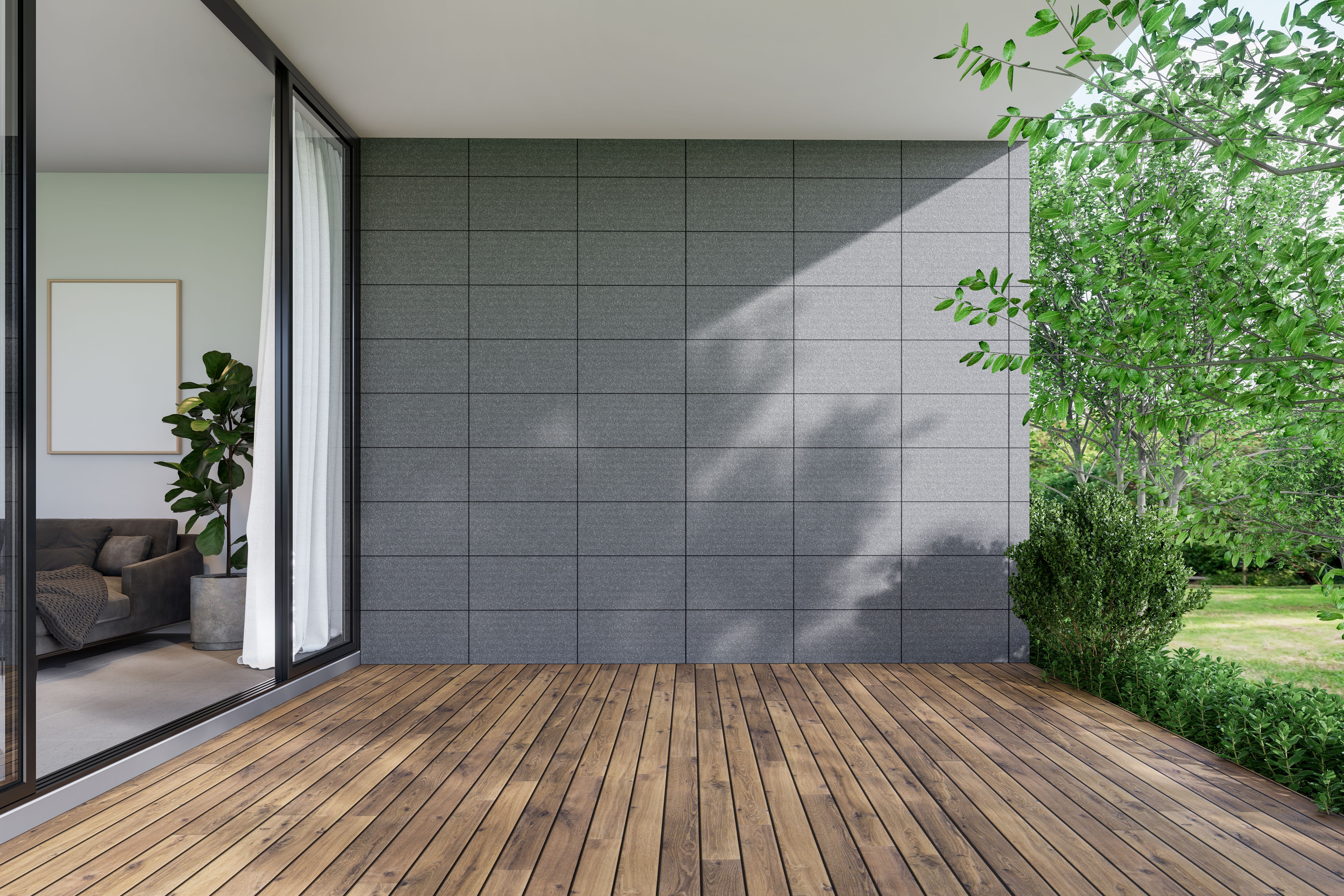
- Darker exterior colours are used
- Clean, minimalist façades leave little room for visual variation
- Long-term appearance is a priority for homeowners
- Projects aim to reduce post-installation callbacks
In these contexts, surface-engineered systems provide a common language to discuss risk, expectation, and performance without overcomplicating material discussions.
From Materials to Systems: A Practical Evolution
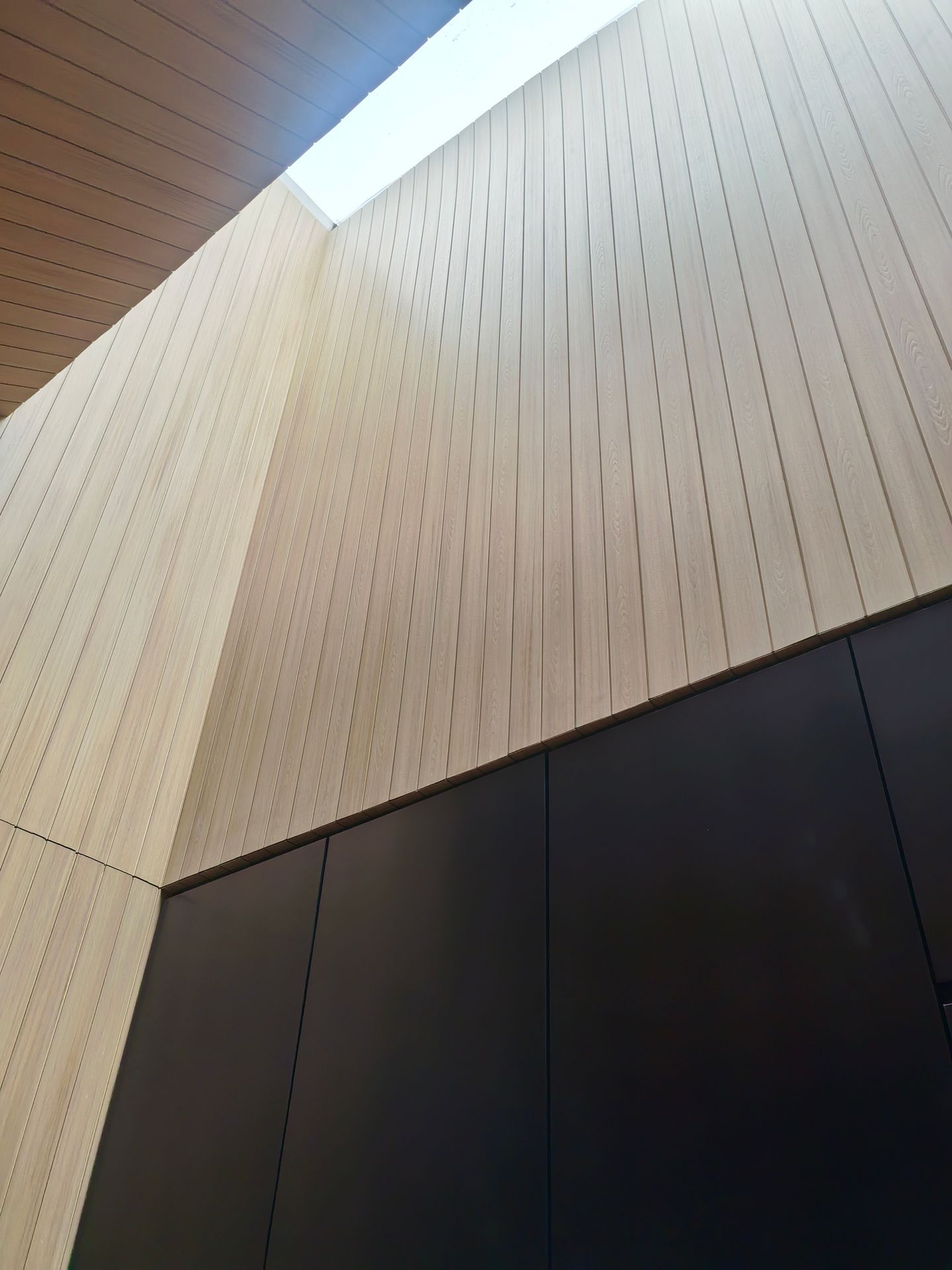
As residential exterior projects grow more complex, decision-making naturally shifts from individual materials to systems.Systems thinking recognizes that performance is the result of:
- Design intent
- Surface engineering
- Application context
- Installation consistency
Surface-engineered systems fit naturally into this evolution by focusing attention where most long-term issues originate — at the surface.
What This Means for Contractors and Designers
For contractors, surface behaviour offers a more practical way to manage long-term risk and expectations.
For designers, it provides a framework to protect design intent beyond installation day.
In both cases, surface-engineered language reduces the need for lengthy explanations and helps conversations stay focused on outcomes rather than specifications.
A More Useful Way to Talk About Exterior Performance
Exterior performance is not defined on installation day.
It is defined years later, through exposure, use, and time.
By shifting attention from material labels to surface behaviour, project teams gain a clearer, more realistic way to evaluate exterior systems.
This is why surface-engineered thinking is becoming part of modern exterior conversations — not as a product claim, but as a practical decision framework.
Relevant reading:
→ Surface-Engineered Composite Technology